
In recent years, granny flats have gained popularity as an enticing option for real estate investors. Also known as accessory dwelling units (ADUs) or backyard homes, granny flats offer additional living space on an existing property. This trend has been fueled by the increasing demand for affordable housing, the potential for generating rental income, and praise from sites like https://www.private-immobilienangebote.de/immobilien-blog/mit-der-einliegerwohnung-die-immobilienrendite-steigern. If you’re a real estate investor considering adding a granny flat to your portfolio, it’s important to understand the ins and outs of this investment strategy. In this article, we will explore what real estate investors need to know about granny flats.
Accessory Dwelling Units Explained
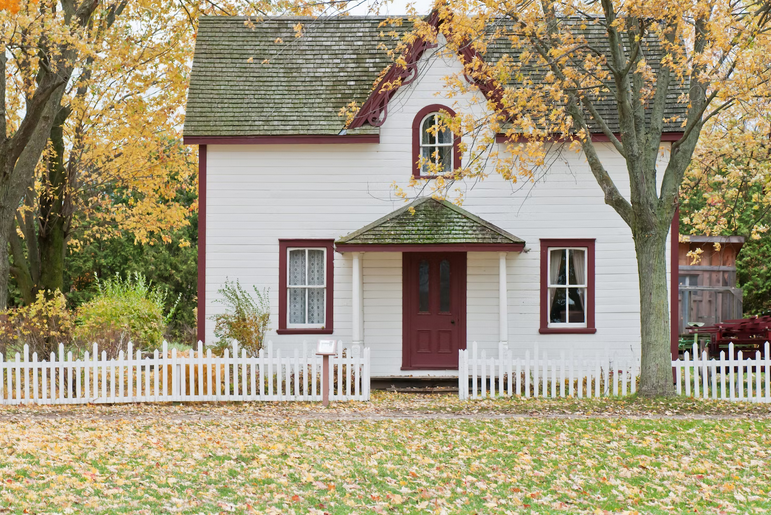
A granny flat, or accessory dwelling unit (ADU), is a self-contained living space that is built on the same property as a primary residence. The units are typically smaller than the main house and can come in various forms, such as converted garages, separate structures, or additions to an existing home. Granny flats often include a bathroom, kitchen, and living areas, providing an independent living space for tenants.
Increased Rental Income
One of the primary advantages of investing in a granny flat is the potential to generate additional rental income. By renting out the granny flat, investors can significantly boost their cash flow and achieve higher returns on their investments. The demand for affordable housing options and the rise of the sharing economy have made granny flats an attractive option for tenants, resulting in a steady stream of rental income for investors.
Local Regulations and Zoning
Before diving into investing in a granny flat, it’s crucial to understand the local regulations and zoning requirements. Granny flats are not permitted in all places, and their construction and use may be subject to special limitations. To guarantee compliance with rules, become familiar with the local construction codes, permits, and any other legal matters. Working with knowledgeable specialists, such as architects and builders, may assist in navigating these complications and ensuring a smooth investment process.
Cost Considerations
 Investing in a granny flat involves various costs that need to be carefully considered. These costs include land preparation, construction expenses, permits, and ongoing maintenance. Conduct a detailed cost study to assess the investment’s viability and profitability. Consider the tax ramifications and insurance coverage connected with the granny apartment. Real estate investors may make educated judgments and optimize their return on investment by accounting for all expenditures and establishing a thorough financial strategy.
Market Demand and Tenant Profile
Understanding the market demand for granny flats in your target location is essential. Research the demographics, rental rates, and overall demand for rental properties in the area. Identify the tenant profile that is likely to seek granny flats, such as young professionals, students, or elderly individuals. Customizing the granny flat design and facilities to meet the requirements and preferences of potential tenants might result in increased occupancy rates and better financial results.
Granny flats present a promising investment opportunity for real estate investors looking to expand their portfolios. By understanding the concept of accessory dwelling units, conducting thorough research on local regulations, carefully planning financial plans, and assessing market demand, investors can make informed decisions. Granny flats offer increased rental income potential, diversification of property types, and the ability to address the growing need for affordable housing.
Comments are closed