
Choosing the right stain shade for your wood fence can feel like a daunting task. With so many colors and finishes available, it’s easy to get overwhelmed. But don’t fret. Picking the perfect hue not only enhances your home’s curb appeal but also protects your investment from the elements. Think of this as a guide to better DIY results—your fence is more than just a boundary; it reflects your personal style and complements your landscape. Whether you’re going for classic elegance or modern flair, finding that ideal shade is key. So let’s dive into some essential tips that will guide you through selecting the perfect stain for your wood fence.
Consider Your Environment
When selecting a stain shade, take a moment to observe your surroundings. The environment plays a crucial role in how colors appear and interact with natural light. Consider the landscape around you. If you have lush greenery, earthy tones may blend seamlessly, enhancing the overall aesthetic. On the other hand, if your home is surrounded by bright flowers or colorful shrubs, a contrasting shade could make your fence pop. Don’t forget about architectural elements too. Your house’s exterior color should harmonize with your fence for a cohesive design.
Think About Wood Type
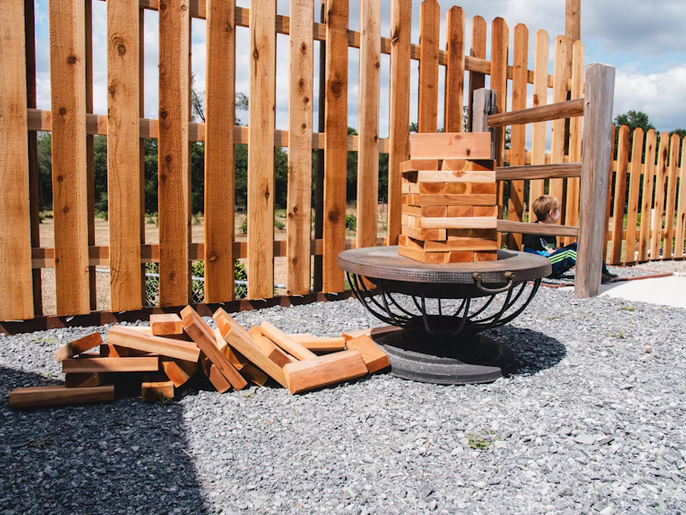
The type of wood you choose for your fence plays a significant role in the stain shade selection. Different woods absorb stains differently, impacting color and appearance. Cedar, for instance, has natural oils that can enhance certain shades while resisting moisture. On the other hand, pressure-treated pine tends to soak up more pigment but may require additional prep work to achieve an even finish. Hardwoods like oak or mahogany provide rich hues but might need special formulations for staining due to their density. Consider how each type interacts with various stains. Also, think about how the wood will weather over time.
Pick the Finish Type
Choosing the right finish type can significantly impact the look and longevity of your wood fence. There are several options available, each offering distinct benefits. A semi-transparent stain allows the natural grain to shine through while providing some color. This is ideal for those who want a balance between aesthetics and protection. On the other hand, solid stains offer full coverage, resembling paint more than traditional stains. If you prefer a uniform appearance without visible wood grain, this might be your best choice. Consider UV protection as well.
Test Sample Shades
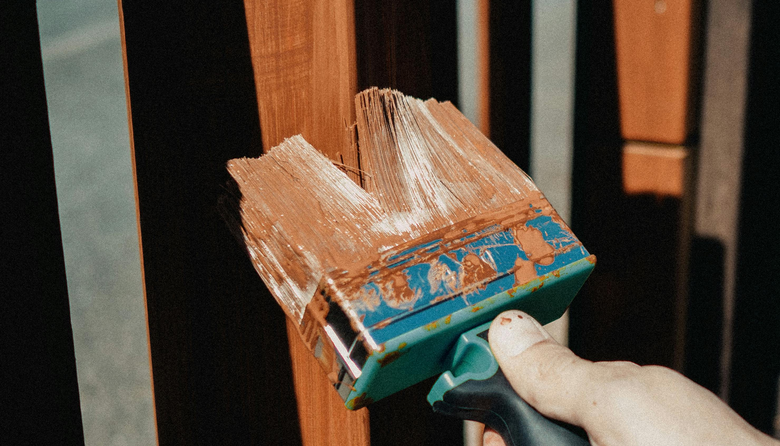
Before committing to a stain shade, always test samples. This step can save you from costly mistakes. Purchase small cans of your top choices. Apply them directly on an inconspicuous section of your fence. Watch how the colors interact with natural light throughout the day. Shadows and sunlight can dramatically alter their appearance. Different wood types absorb stains uniquely. What looks great on one type might not translate well onto another. Testing helps ensure that you achieve your desired effect.
Choosing the right stain shade for your wood fence can greatly enhance its beauty and longevity. By taking into account your environment, understanding the type of wood you have, selecting the right finish, and testing out sample shades, you’ll be well-equipped to make a decision that complements both your home and landscape. A thoughtful approach will ensure that your fence not only looks great but also stands up against weathering over time. Remember to enjoy the process. Your fence is more than just a boundary; it’s an extension of your personal style. Embrace this opportunity to express yourself through color while protecting one of your most valuable outdoor investments. Happy staining!
Comments are closed